

Beauty as Backbone.
From Panchakarma in India to Sant Pau in Barcelona
On beauty, healing, and the spaces in which we are cared for
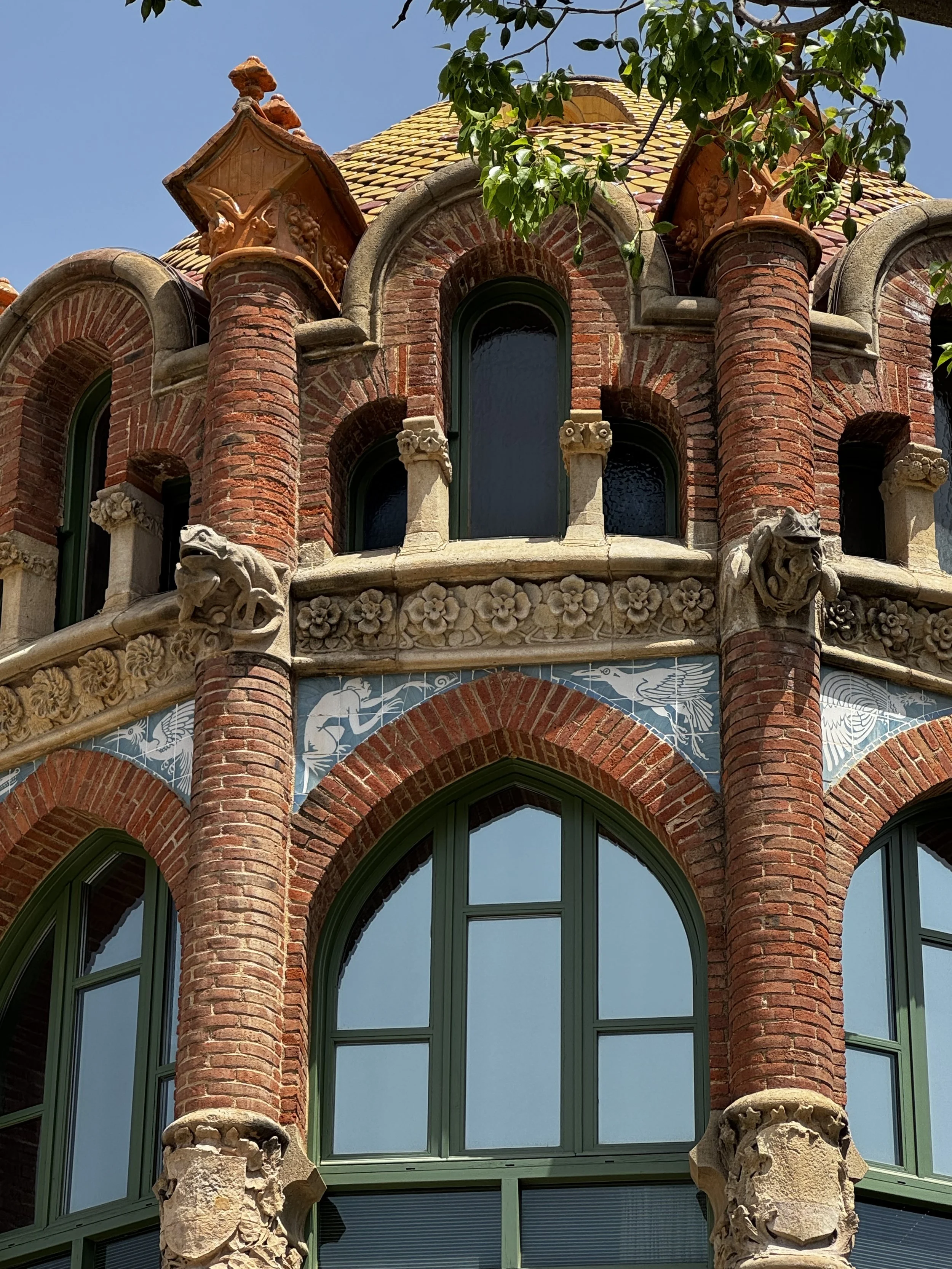
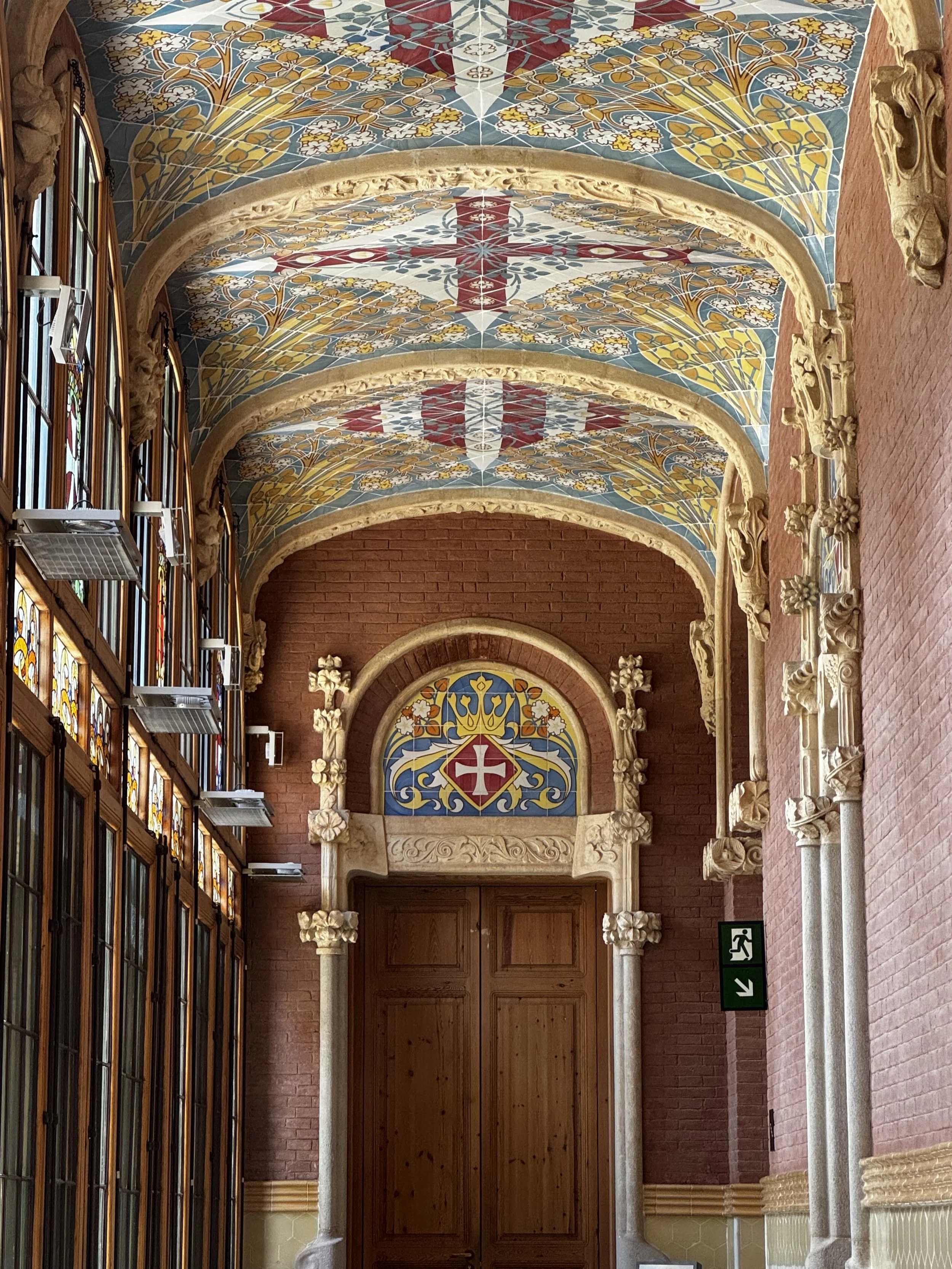
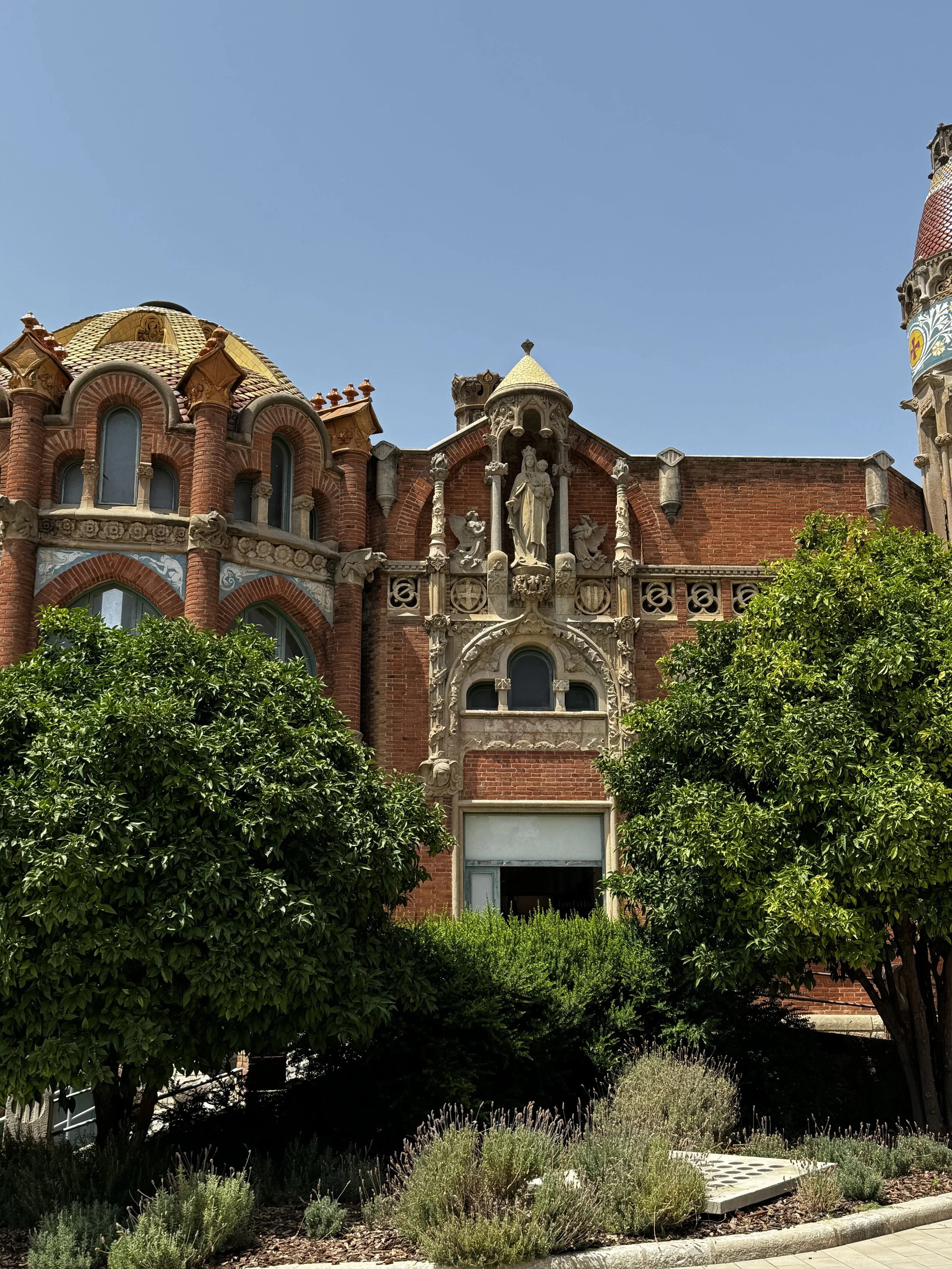
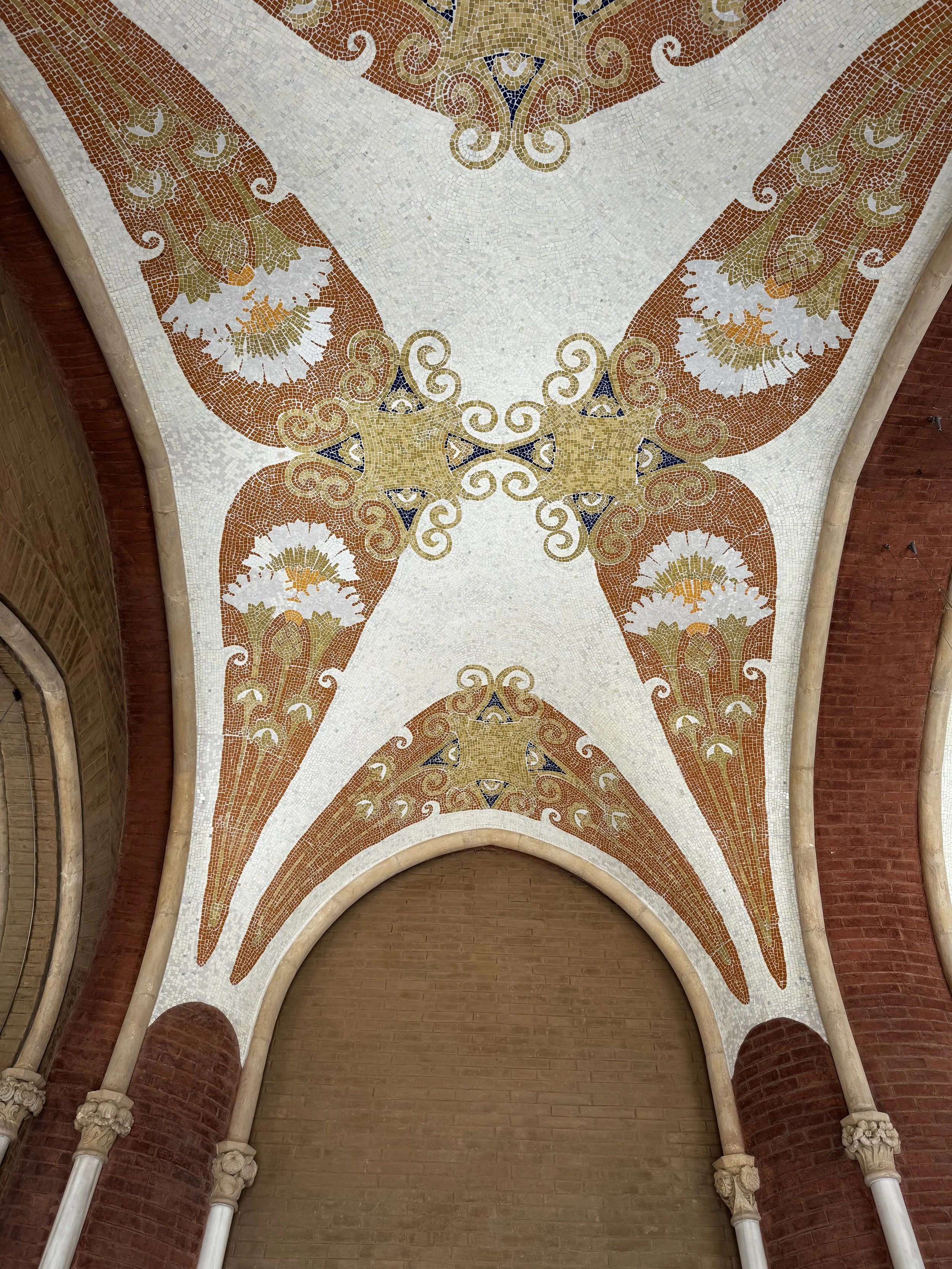
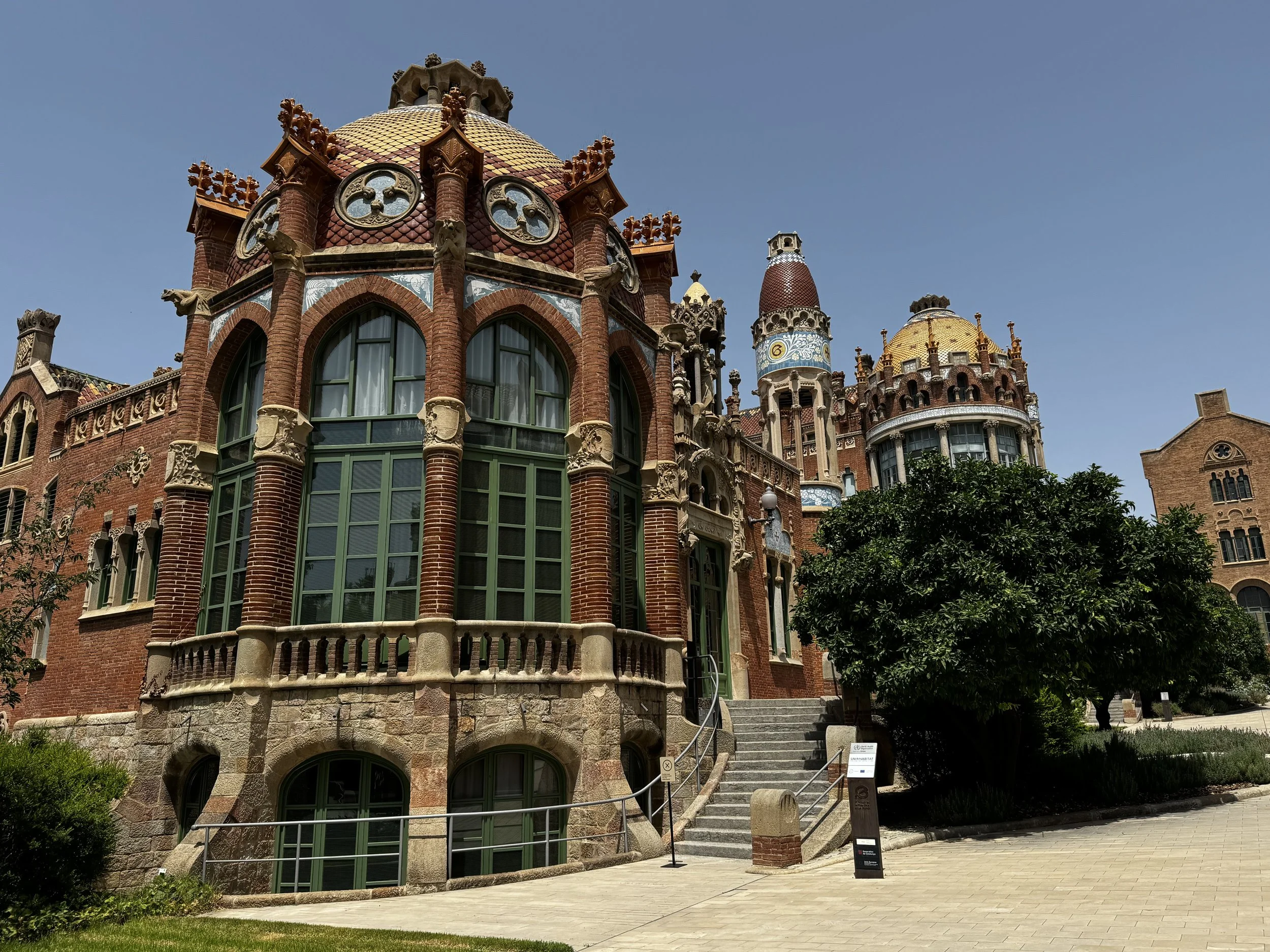
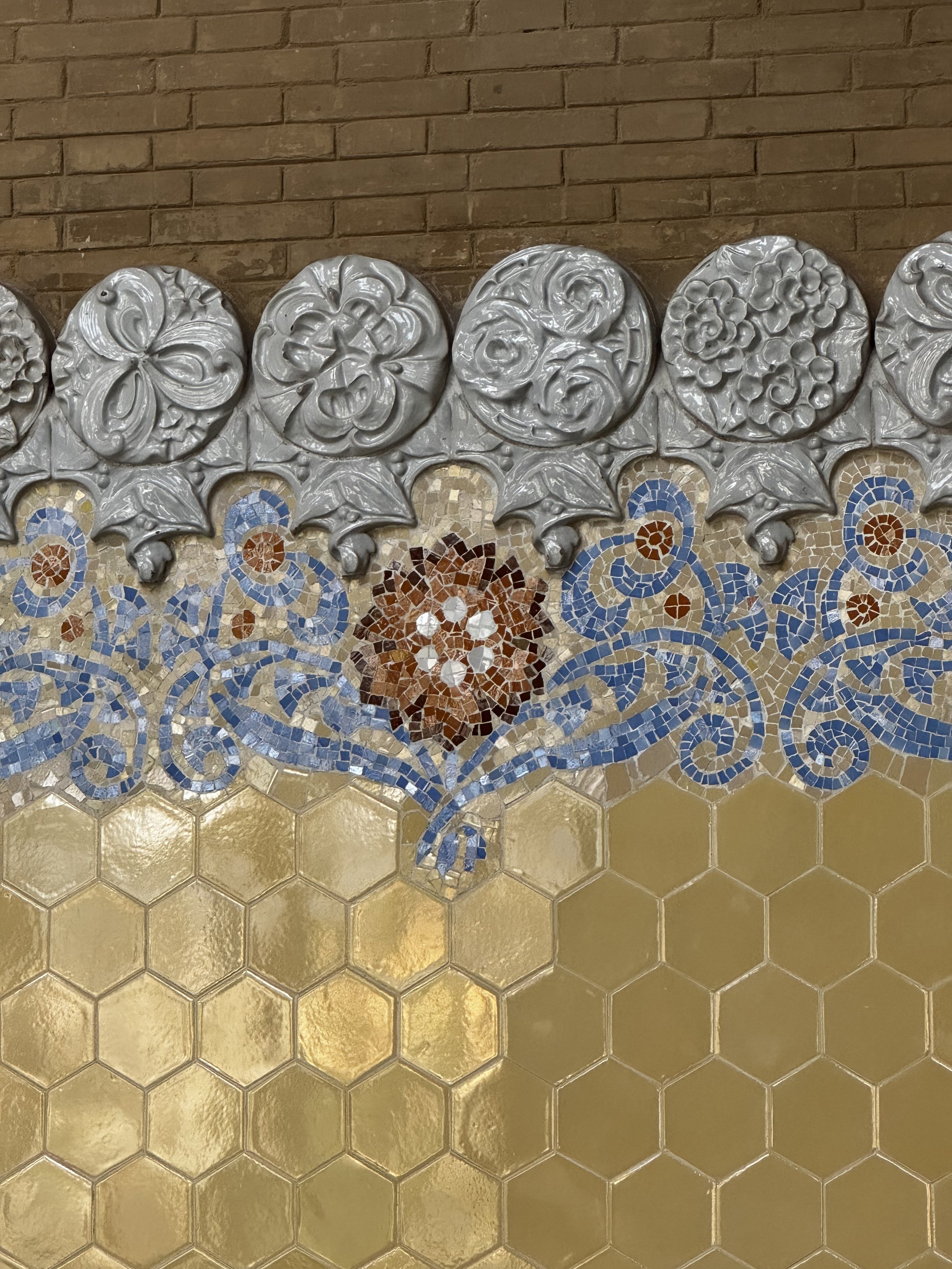
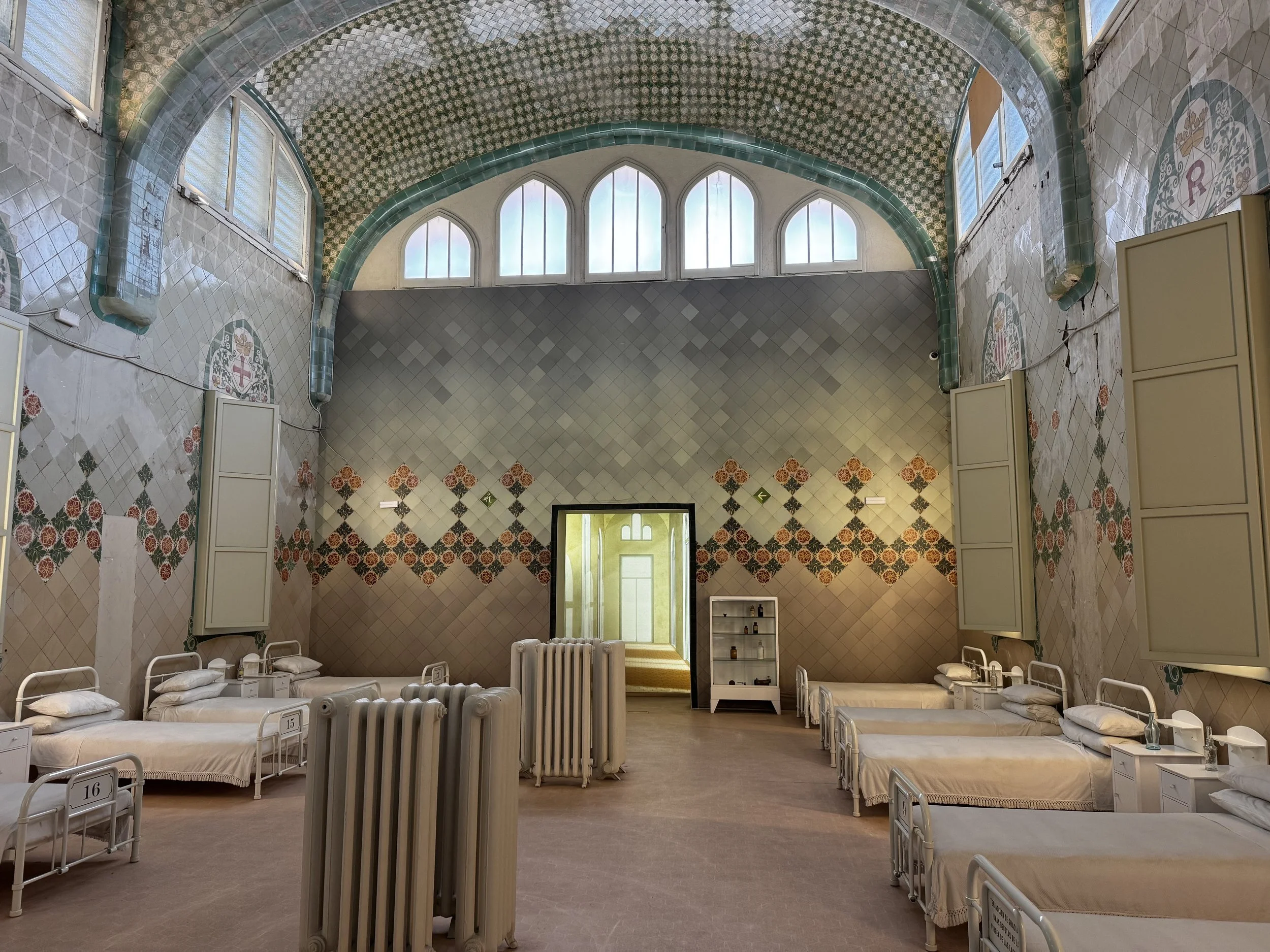
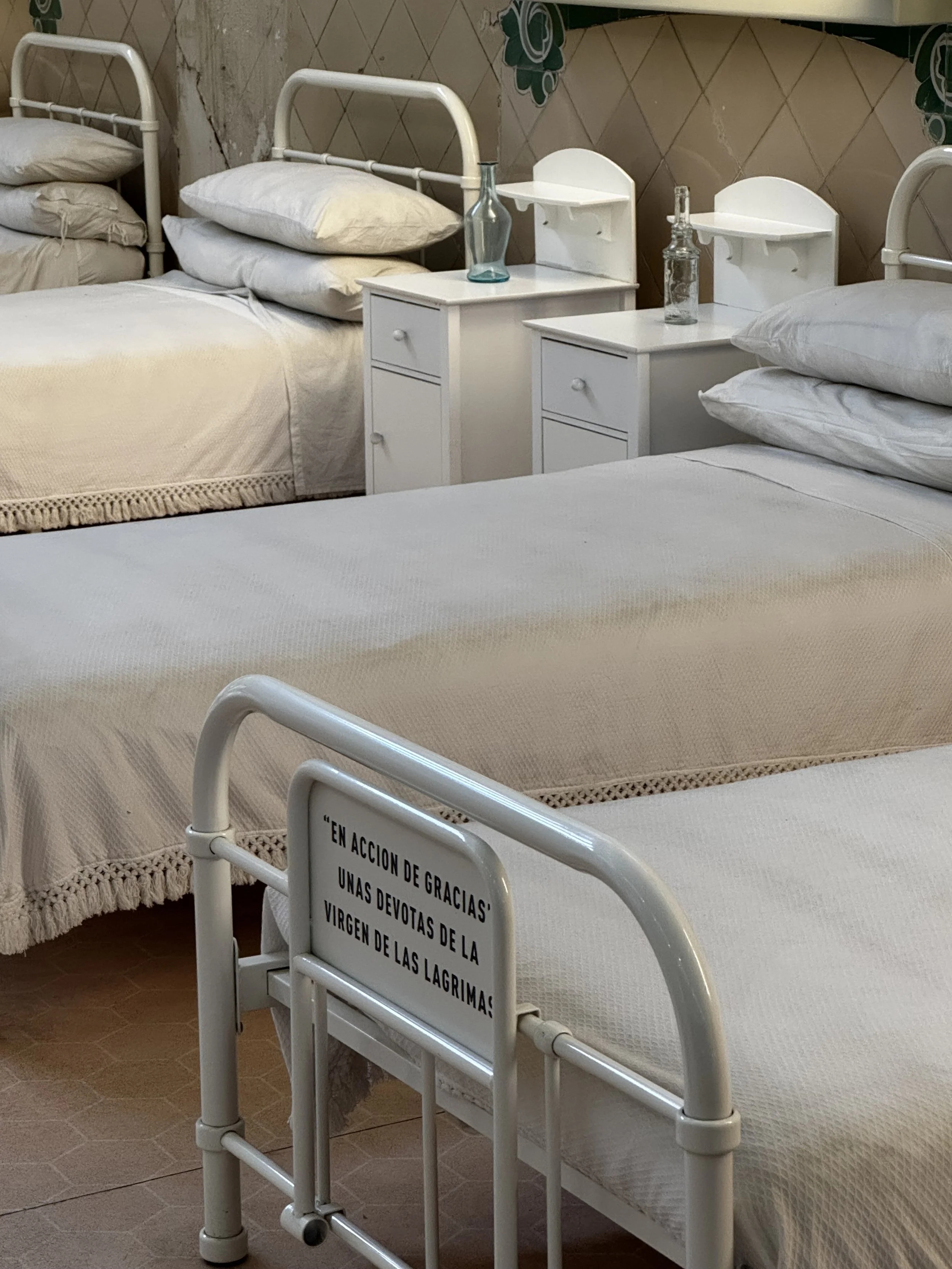
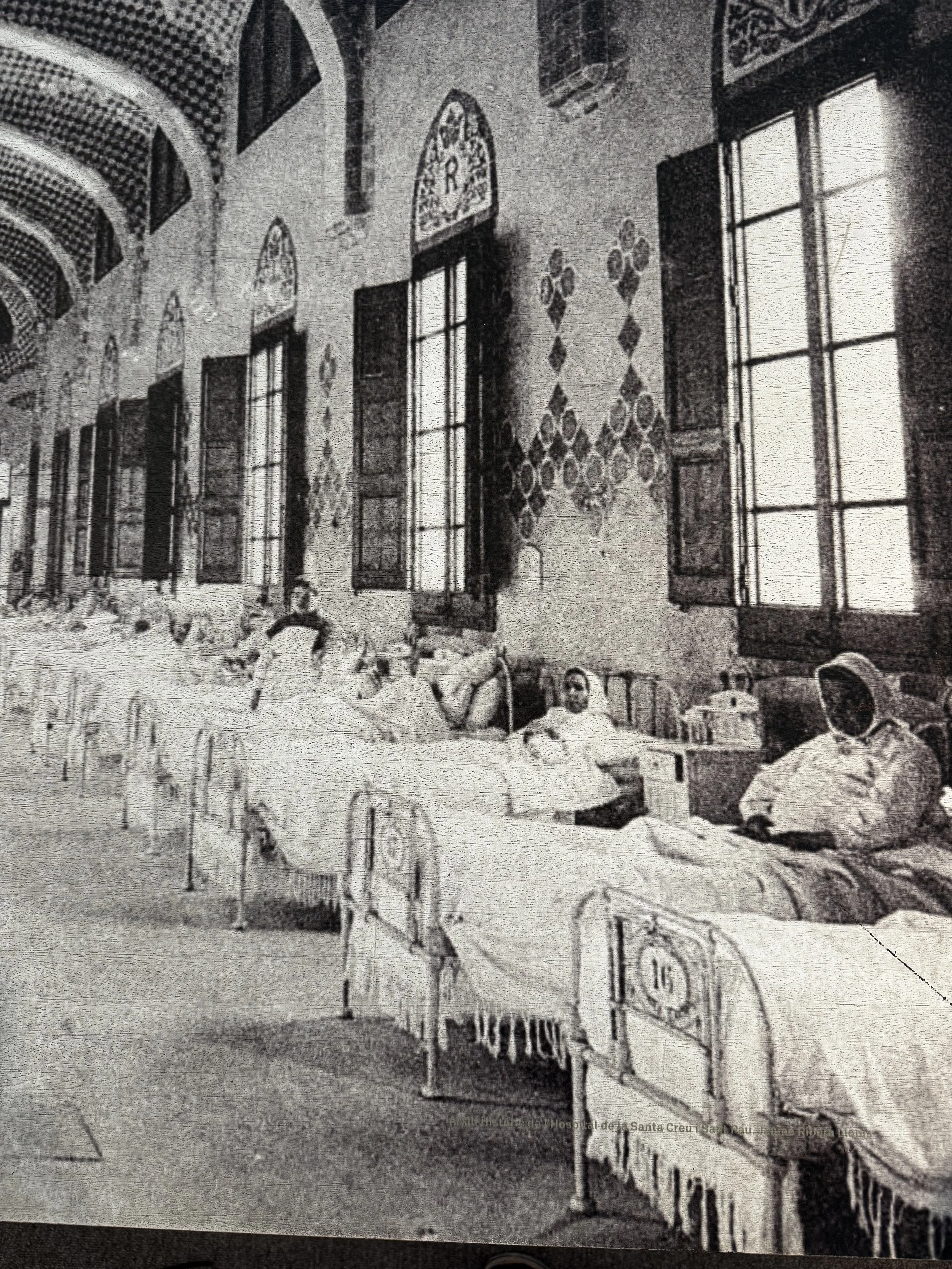
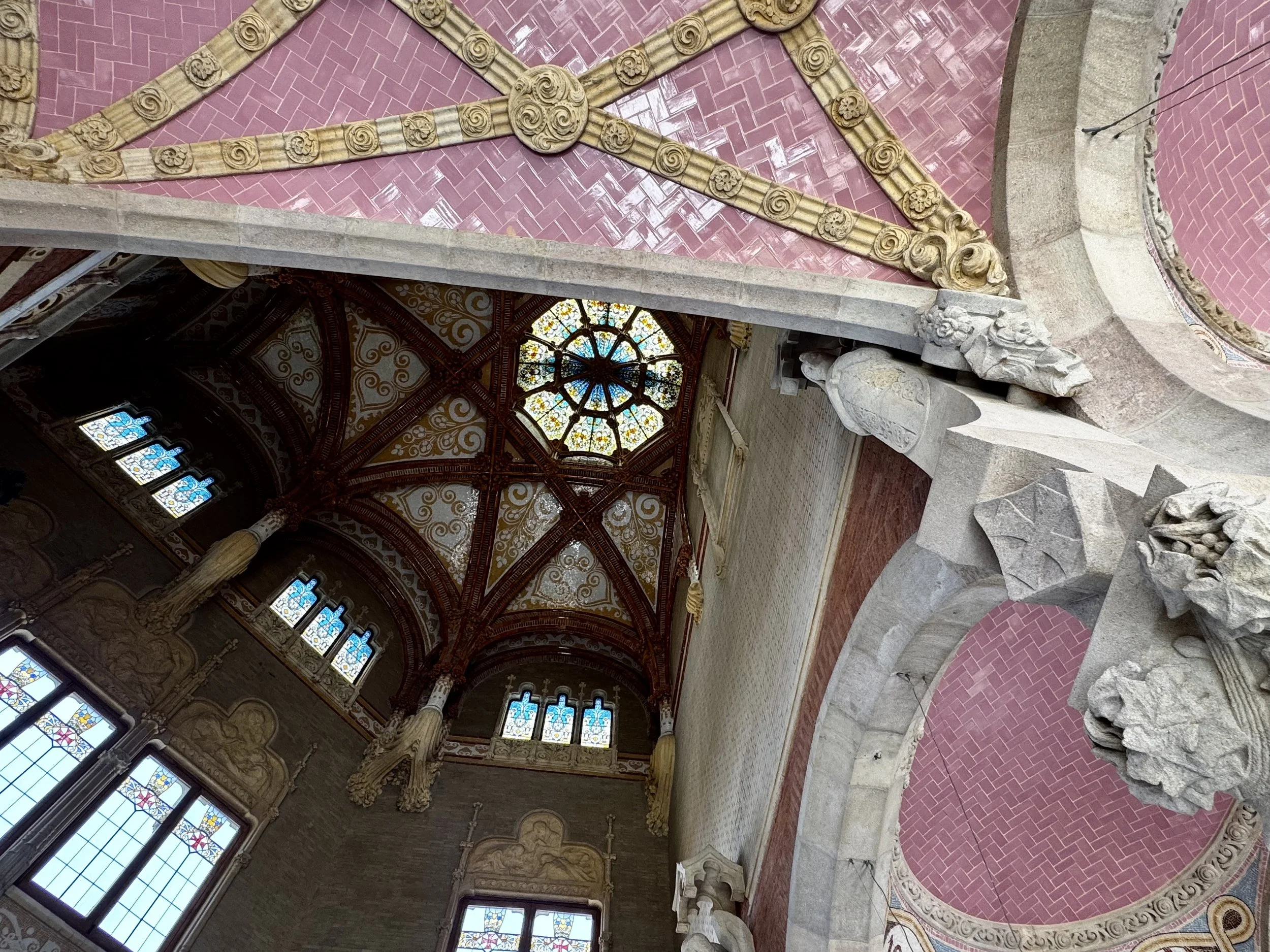
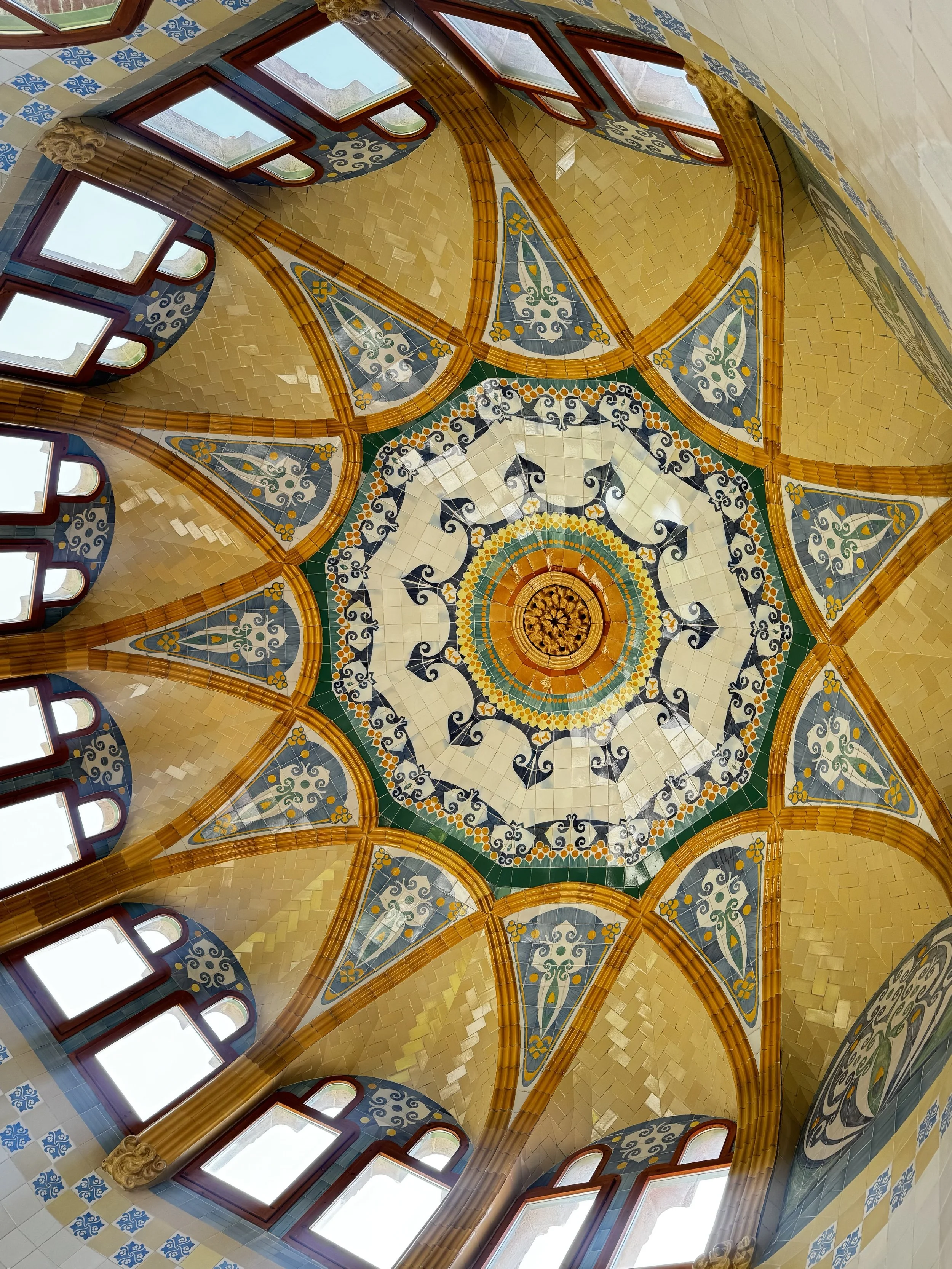
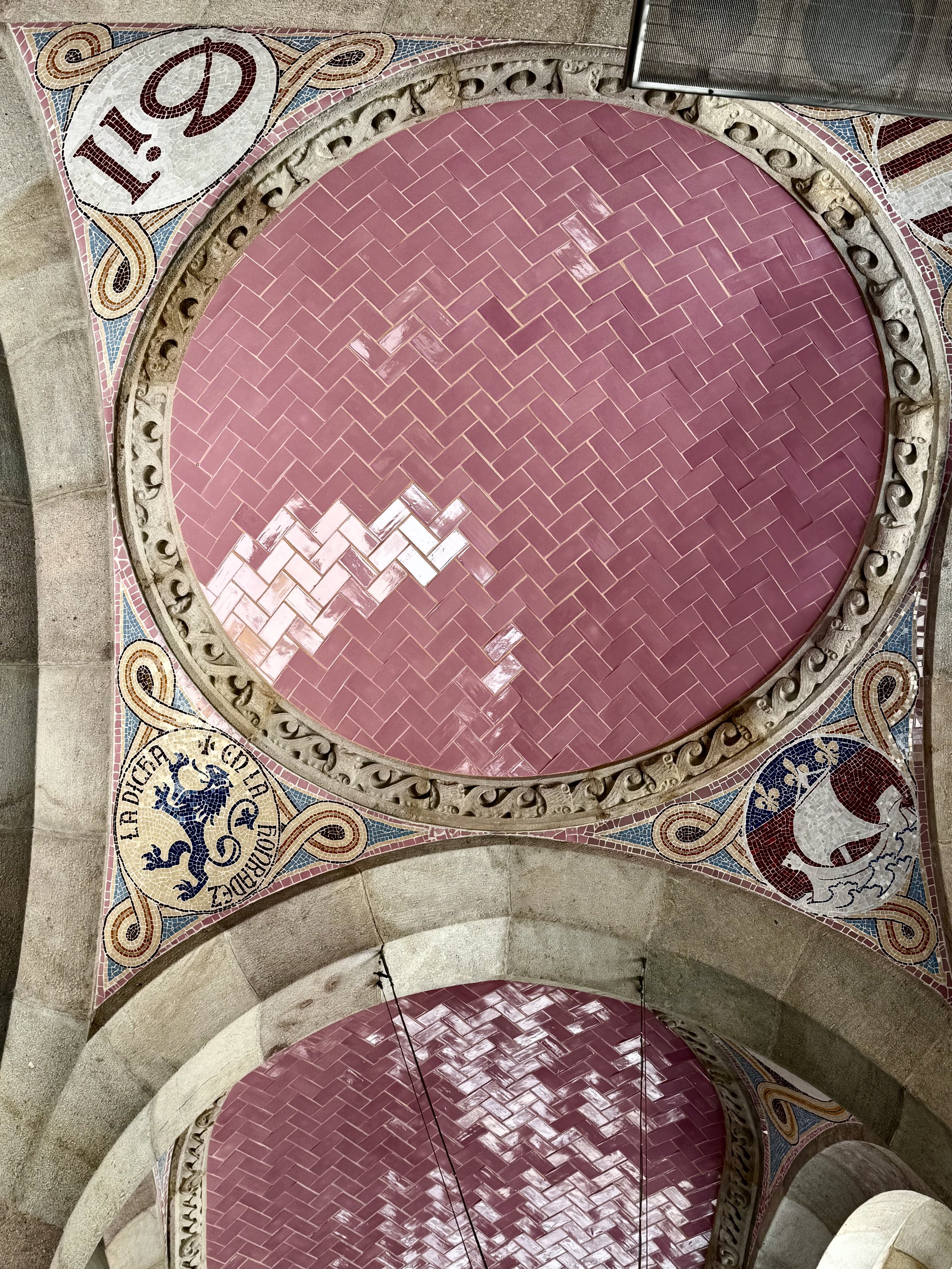
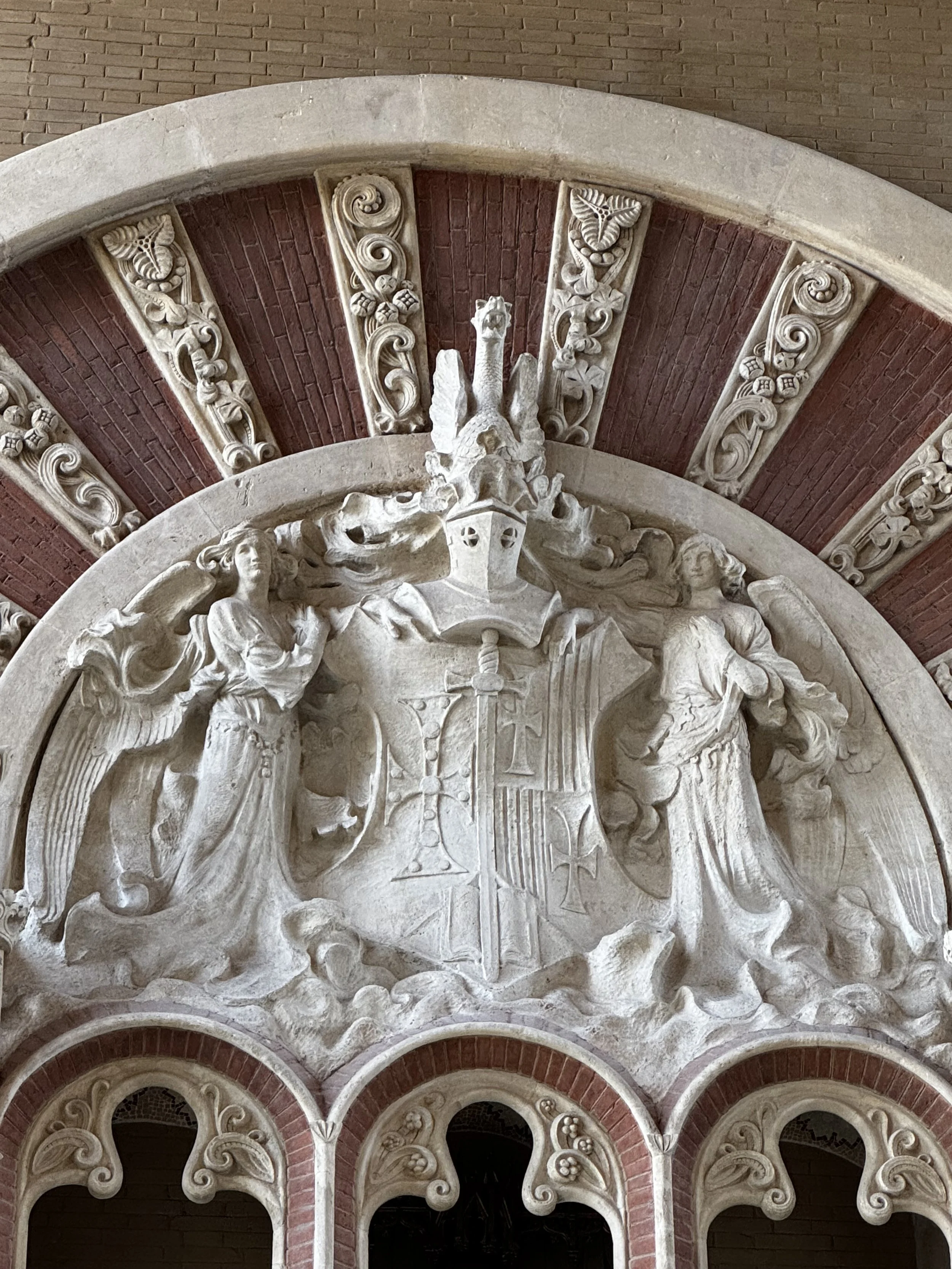
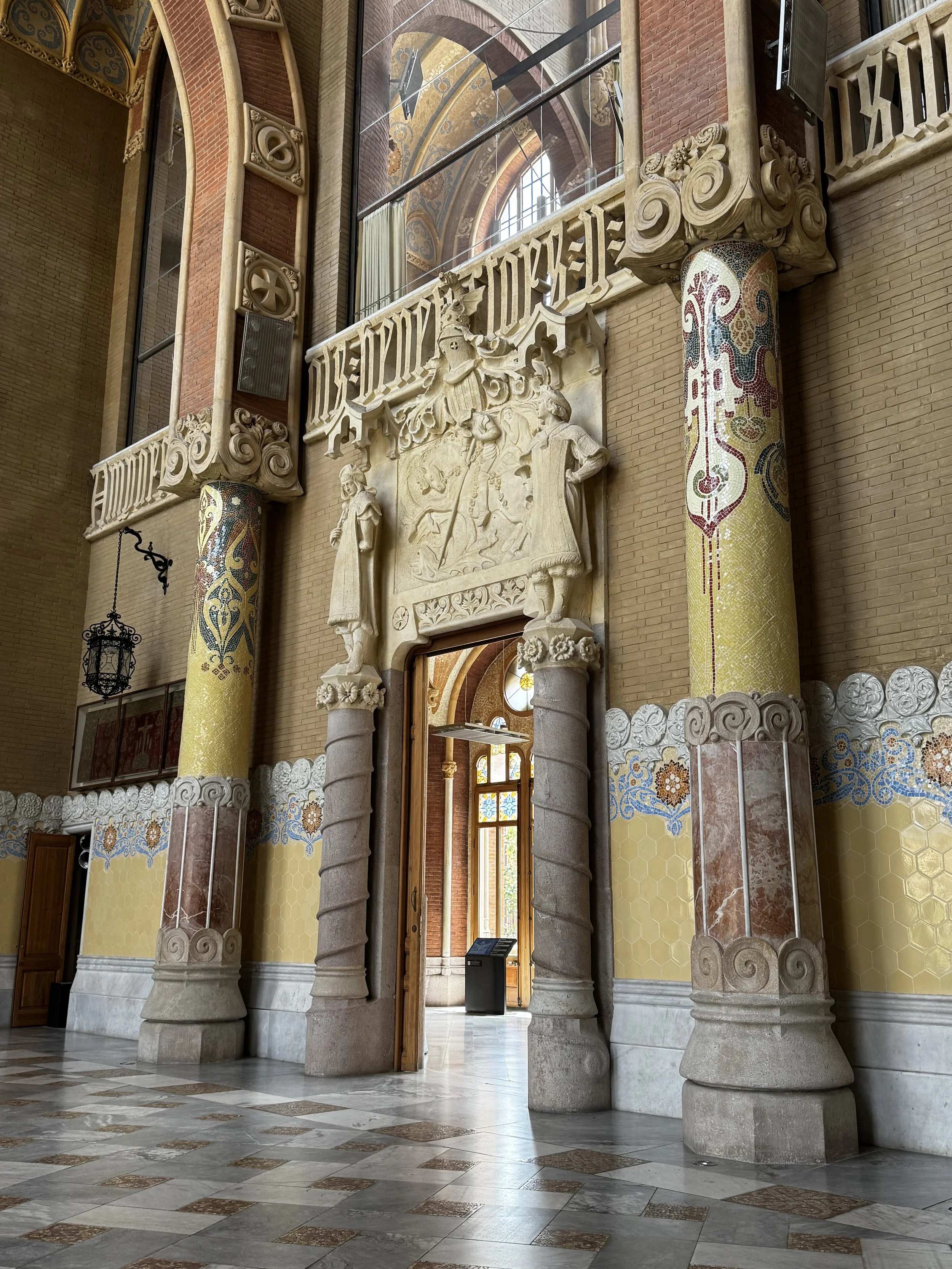
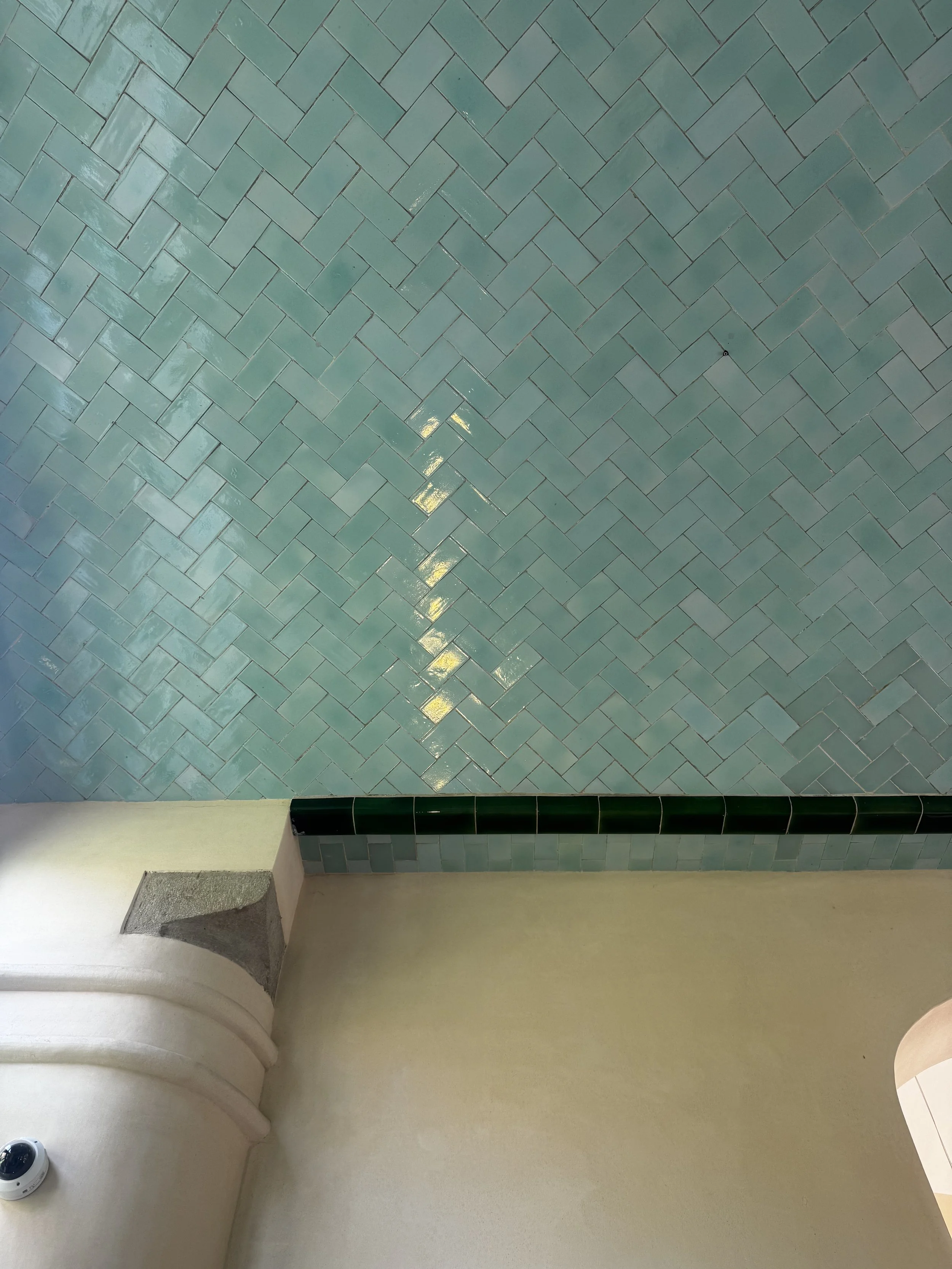
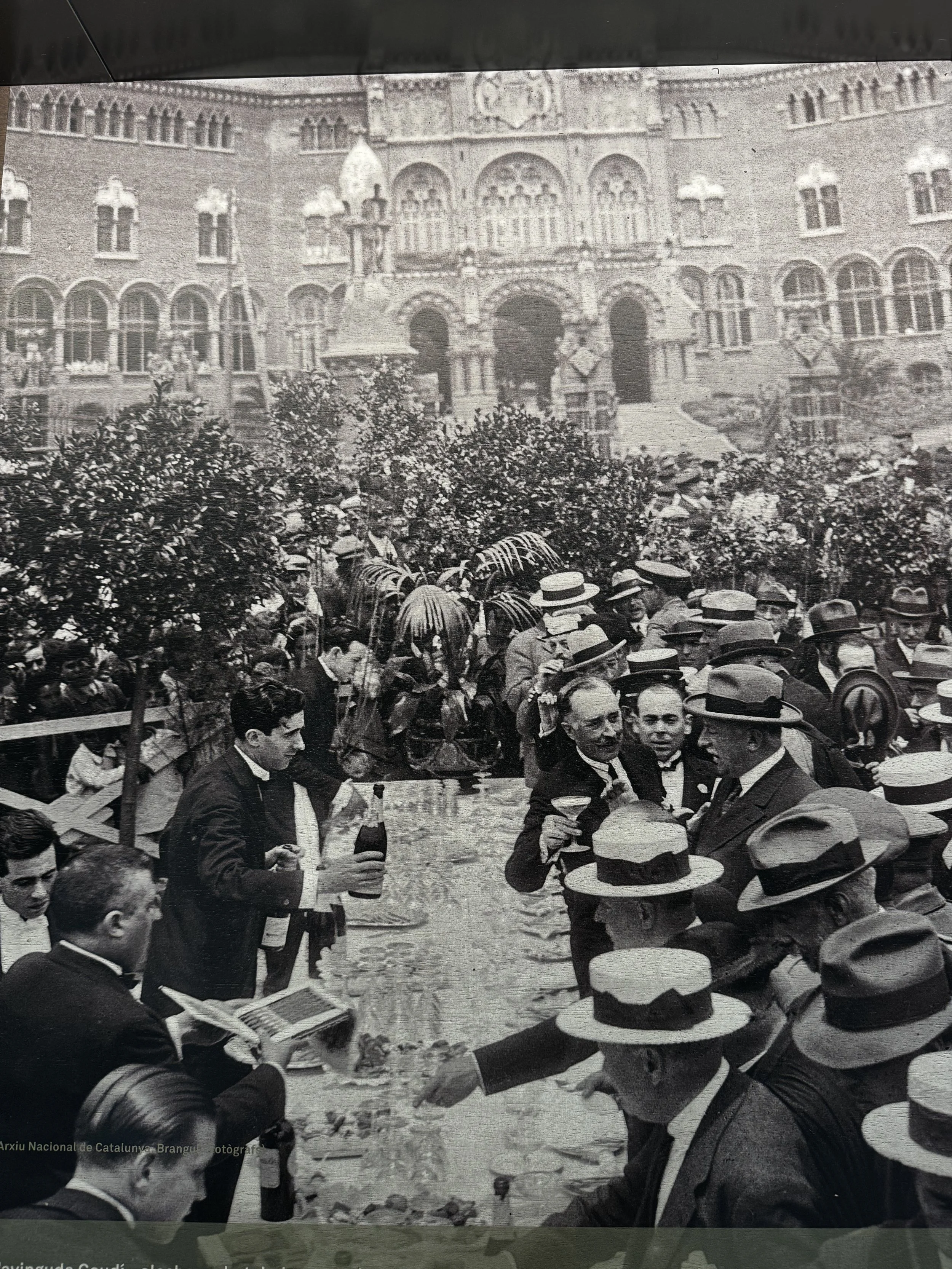
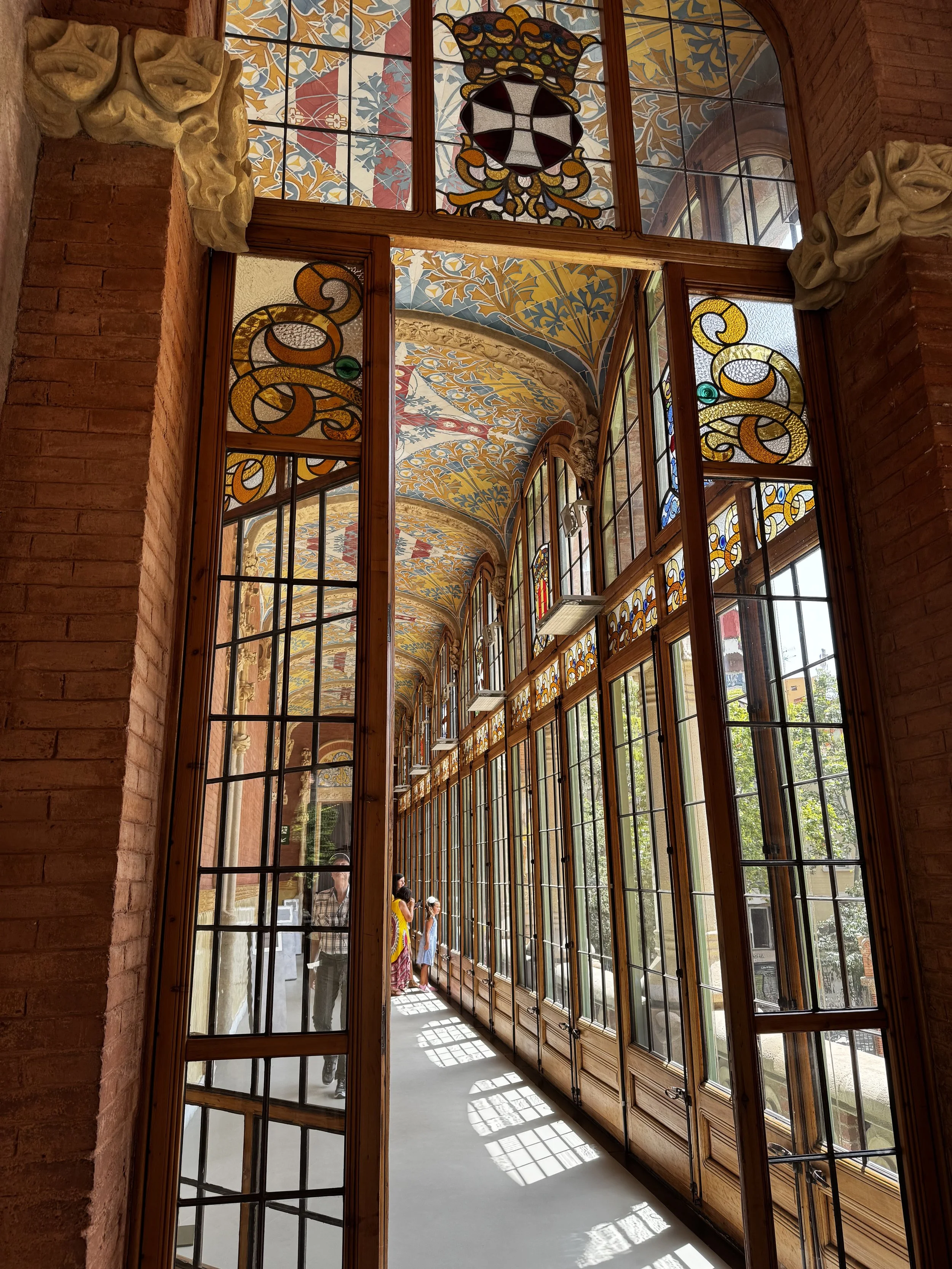
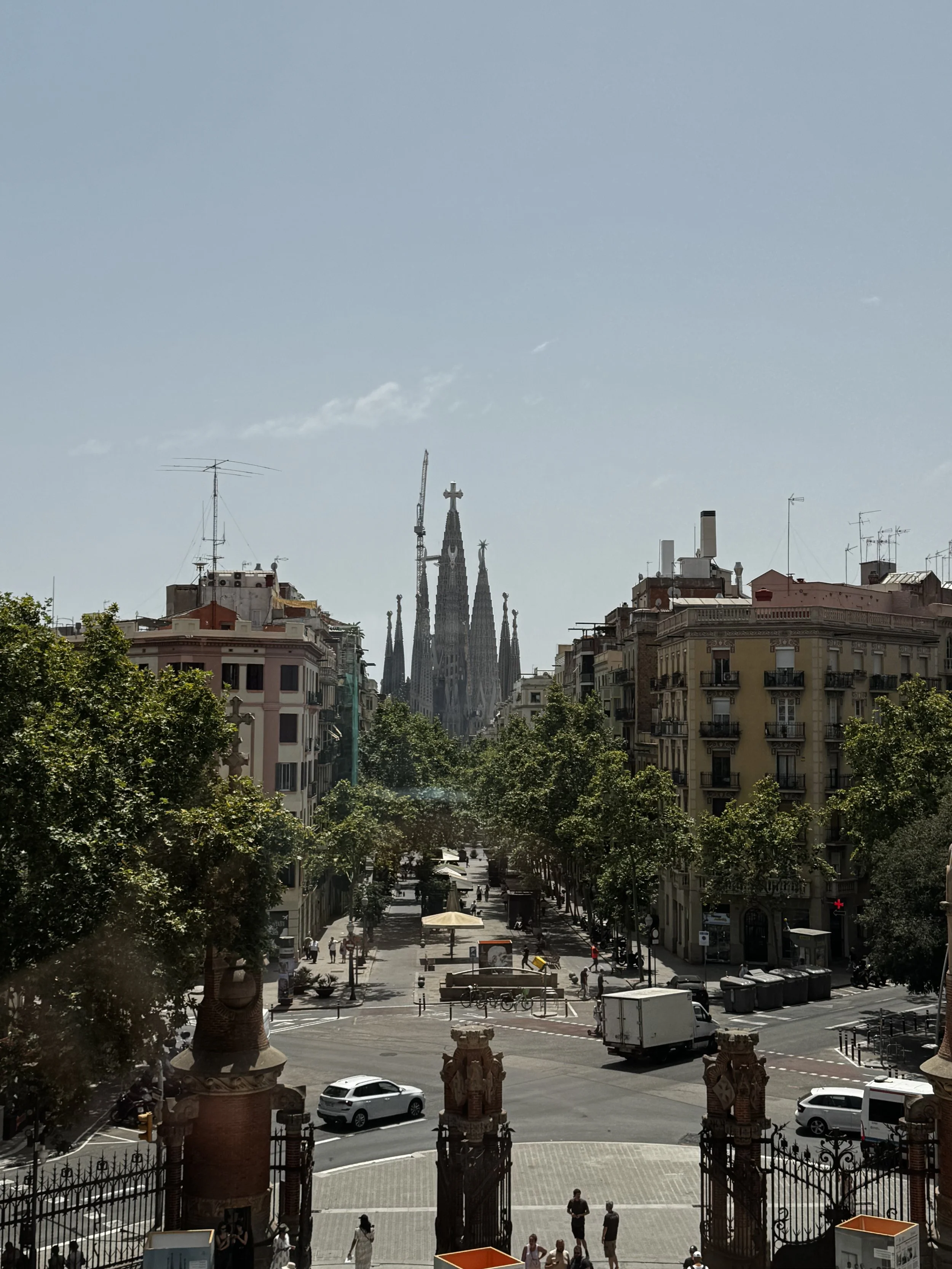
This summer, I came to Barcelona specifically to visit the Hospital de Sant Pau, and I was absolutely swooned.
Not simply because it is an extraordinary tourist attraction, but because it made me think about something that sits very close to the heart of my own work:
Is beauty a spiritual backbone that helps us endure this serpentine existence?
I think I first began asking this question through my own experiences with Panchakarma and music.
My journey to India changed my understanding of what a clinical/therapeutic environment can be.
I was dancing with joy and feelings of bliss at the clinic in India. The oils, herbs, rituals, gardens, food, light, quiet, color, and rhythm of the days all became part of the experience that allowed me to remove blockages within me. Ayurveda calls it the subtle body.
Thankfully, I don’t have cancer, nor am I in deep levels of pain and suffering. I wonder how this experience would be for a human having that experience, or coming out of a hardcore surgery where I have had my arm amputated, or receiving a diagnosis of death and decay.
And we can go deep into the experience of death and decay of the human body, so in no way, shape, or form do I mean to write about this as frivolous and vain, especially as I have loved ones for whom the pain blinds them to anything around them, even the experience of inner bliss, and it is hard to see the silver lining, and also many who have died.
Symbols, faith, and beauty sit at the core of our human experience.
And help us walk through this monstrous world.
When you walk into Sant Pau, you walk into a hospital, a place where blood has spilled, and death is in the hallways and ever-present.
Here was a hospital conceived not simply as a place to treat illness, but as an environment for human beings to heal, be born, and ultimately, to die, perhaps closer to God or to invite relief and spiritual experiences.
Gardens with orange trees that blossom, becoming aromatherapeutic gardens. Sunrooms with mosaics in soothing and invigorating colors. Fresh air. Plants. Sacred imagery and mythological creatures creeping from the walls remind us of the mystical, the ethereal… the beyond.
This is what I am beginning to understand more deeply in my own work, from my continued Panchakarma training to the therapeutic spaces I am developing through Cuerpo de Río.
Perhaps this is one of the things I love so much about Ayurveda.
Because it also offers a spiritual, religious backbone through mantra, breath, and philosophies and tales that teach dharma and cosmic law, helping us endure the toughest conditions, as in the Mahabharata, the Ramayana, and the Gita. And then, if we get into my own lineage, the Zohar, the Torah, and the Bible, lets not even get into the mystical texts of the arab world!
We are in relationship with the elements; they dictate our traditions, our songs, our clothes, the resources we have to live in the world.
This is also why botanical beauty matters to me, because it’s simple at the core, it’s humble, it’s raw, it’s human, it’s unpretentious, and it’s accessible.
The sun on the body is the first thing that comes to my mind.
The original concept of Agni in Ayurveda.
Beautiful lunar energies and water, pure, clear water that keeps us alive, as the sacred elixir of life.
An oil made from a medicinal plant that can clean and disinfect wounds, nourish the tissues, and much more.
The smell of a flower that brings memories and emotions. The taste of a fruit that is so pleasurable and delicious. The power of your own touch, your loved ones.
These things are therapeutic.
Sant Pau reminded me that a clinical environment can be sanitary and beautiful. Functional and poetic. Scientific and deeply human. A deeply integrative approach.
That, especially in the arms of death, we can have deeply spiritual experiences with the world around us. Obviously, craftsmanship is always linked to wealth and privilege, but this hospital was open to anybody, regardless of who you were; there is something deeply human about that.
This matters to me because imagination, wonder, whimsy, fairytales, mythology, and folk tales matter so deeply to me, and what I see is that we have lost deep traces of things that have granted our survival.
My teacher Joshua Schrei weaves modern reality beautifully with mythology and storytelling for transformation and lifting, to give life a deep sense of meaning and direction, and to awaken sacred roles that we need to restore to the collective, giving us purpose in these modern times. And with purpose, life has that zest… the umami note that makes life worth living.
Beauty is bliss; beauty is respite. Beauty is cosmic love and structure. Beauty is refuge, and beauty also awakens strength, courage, valor… taste.
All of this I write as I think of the children of Palestine, and sing the mantra
Lokah samastah sukhino bhavantu translates to “may all beings everywhere be happy and free”
महामृत्युञ्जयमन्त्र,
