God made everything beautiful.

There is a time for everything,
    and a season for every activity under the heavens:

    a time to be born and a time to die,
    a time to plant and a time to uproot,
    a time to kill and a time to heal,
    a time to tear down and a time to build,
    a time to weep and a time to laugh,
    a time to mourn and a time to dance,
    a time to scatter stones and a time to gather them,
    a time to embrace and a time to refrain from embracing,
    a time to search and a time to give up,
    a time to keep and a time to throw away,
    a time to tear and a time to mend,
    a time to be silent and a time to speak,
    a time to love and a time to hate,
    a time for war and a time for peace.

The section above comes from the powerful book of Ecclesiastes, one of my favorite books of the Old Testament. Traditionally attributed to the wisest and most renowned king of Israel, Solomon, it centers on the themes of vanity and the vexation of the human spirit.

The bible is an extraordinary text and that book feels like warming up your heart with a cup of tea after coming back home late in winter time

I am slowly come back to the origin of my faith and the closest thing I find are the symbols from the grew culture I grew up in.

Yet I have come to feel that the only thing that truly will my heart and soul is the love of God.

I am a historian by nature, with a deep love for anthropology—especially tracing ancestral lineages and the origins of things, from words to flora and fauna. This way of seeing helps me understand the fabric of human society through language and reveals the profound connections between continents, migrations, and the ways we have shaped one another across time.

My lineage comes from different tribes that were eventually unified under the Roman Catholic Church. We are Spanish-speaking, Catholic Native Americans.

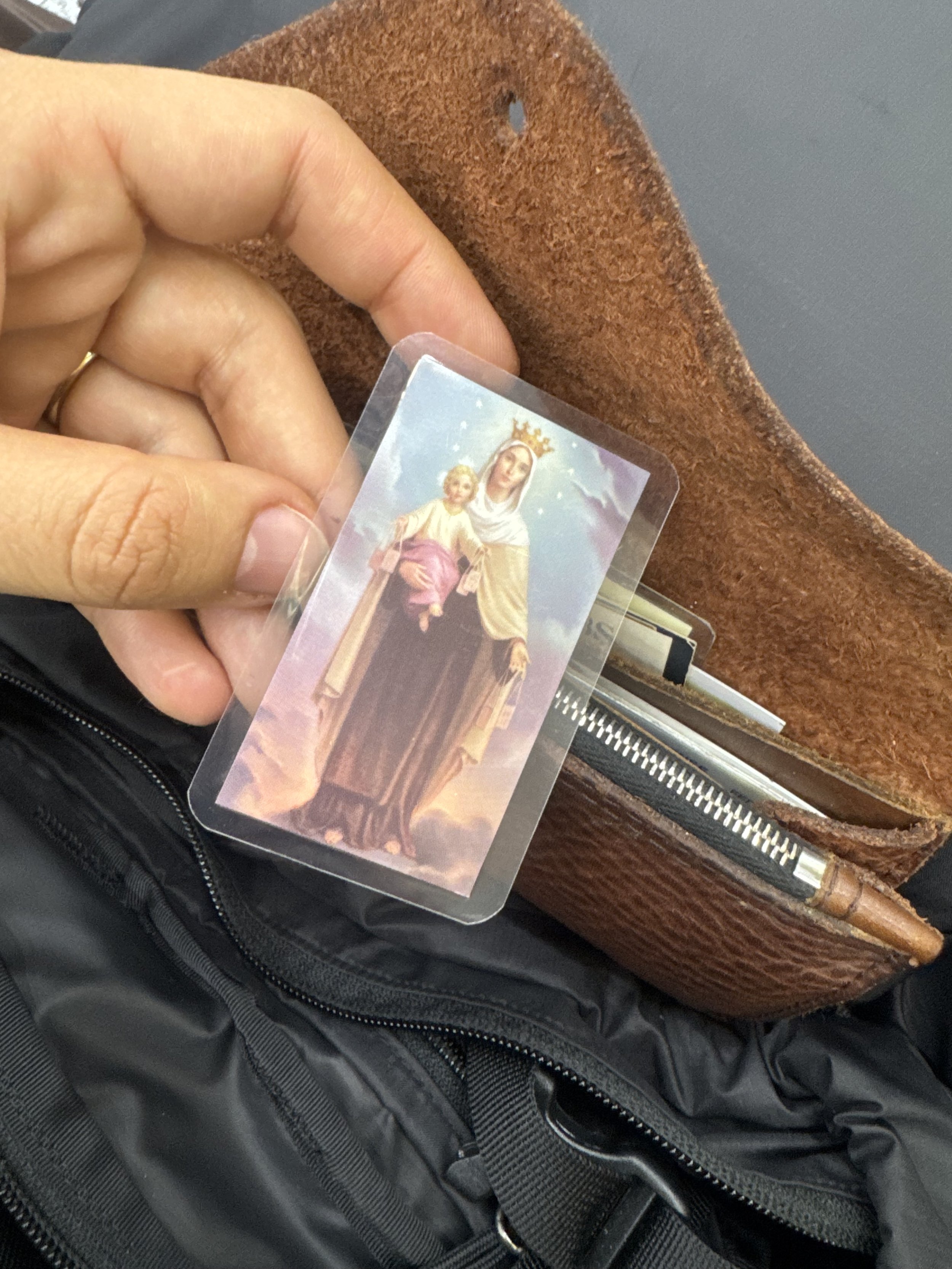
We were unified by the Nican Mopohua—the sacred story of an Indigenous man and the apparition of Our Lady of Guadalupe, who is our mother.

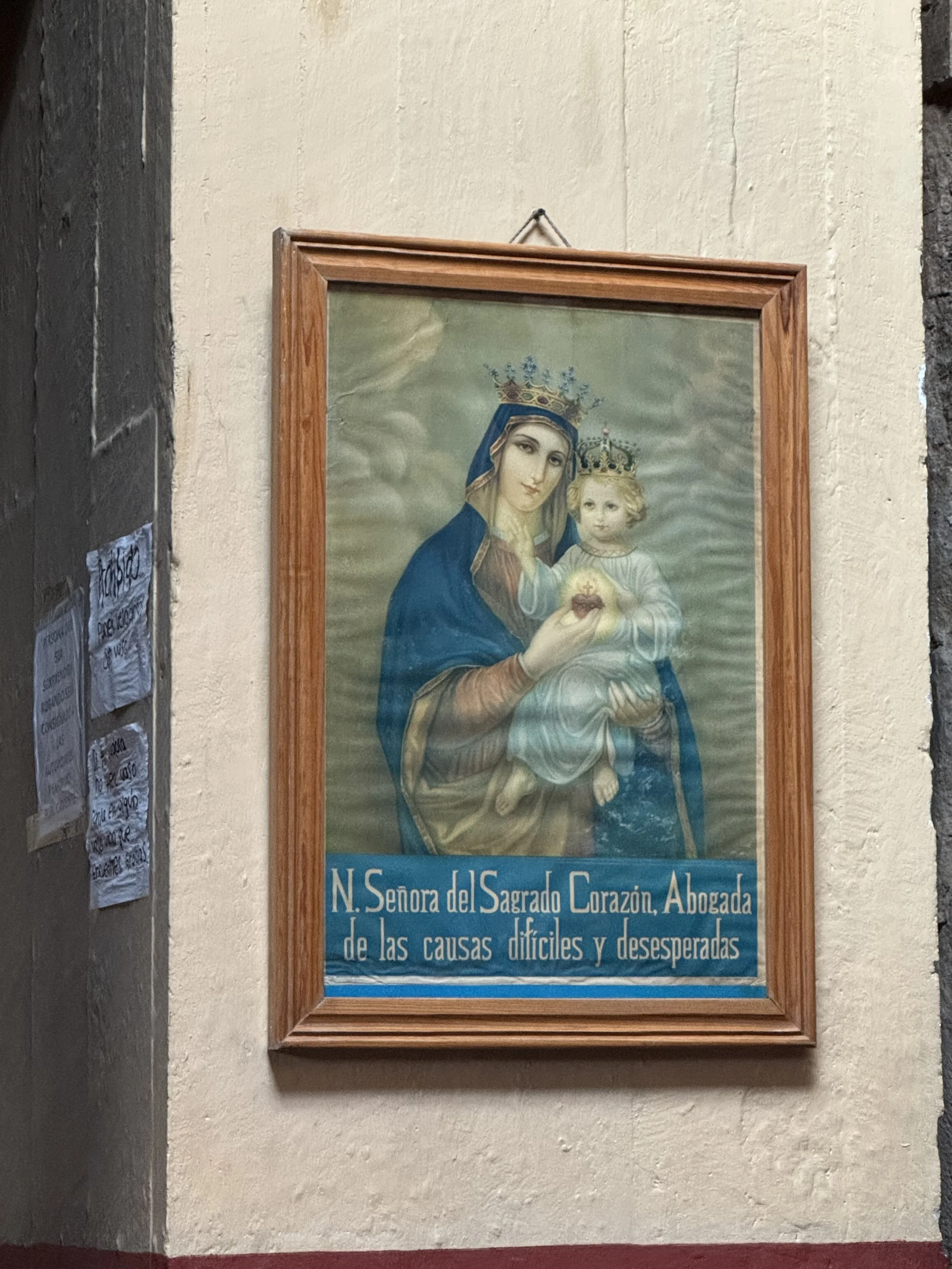
Guadalupe is a profound convergence of Indigenous cosmology and Roman Catholic symbolism. When our ancestors encountered her image, they knelt and converted without hesitation. They recognized her immediately as Tonantzin, the Aztec mother goddess of earth and corn.

She stands before the sun, symbol of the great Aztec god Huitzilopochtli, announcing a God greater than the sun itself. She stands upon the moon, the crescent associated with Quetzalcoatl, the feathered serpent, revealing that she has overcome and transcended him. Beneath her, an angel with eagle’s wings—the bird of the sun—supports the Mother of God, showing the eagle in service to the Divine Feminine. With one hand she gathers her mantle and with the other her robe, signifying that the Son she carries comes from both heaven and earth.

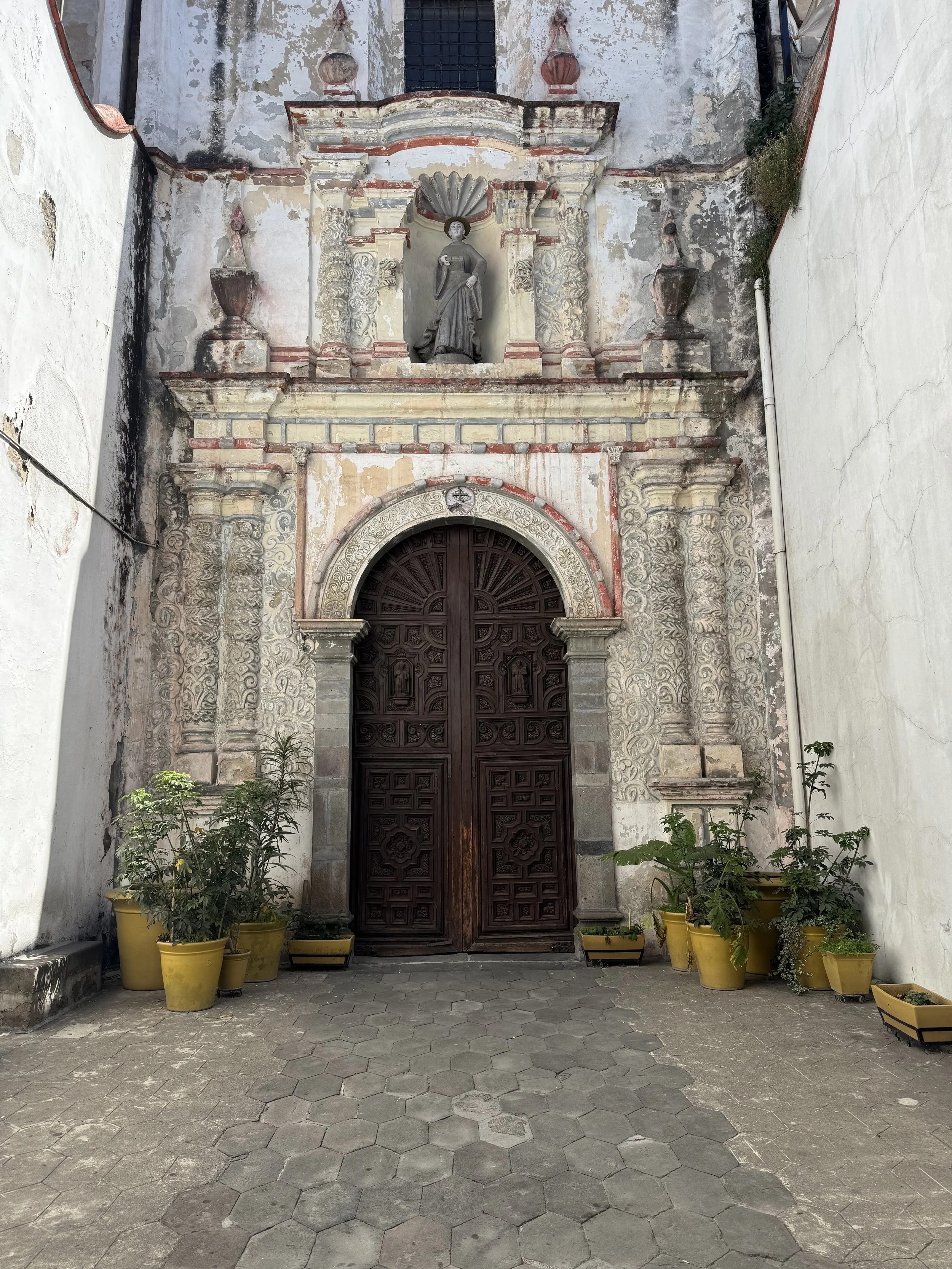
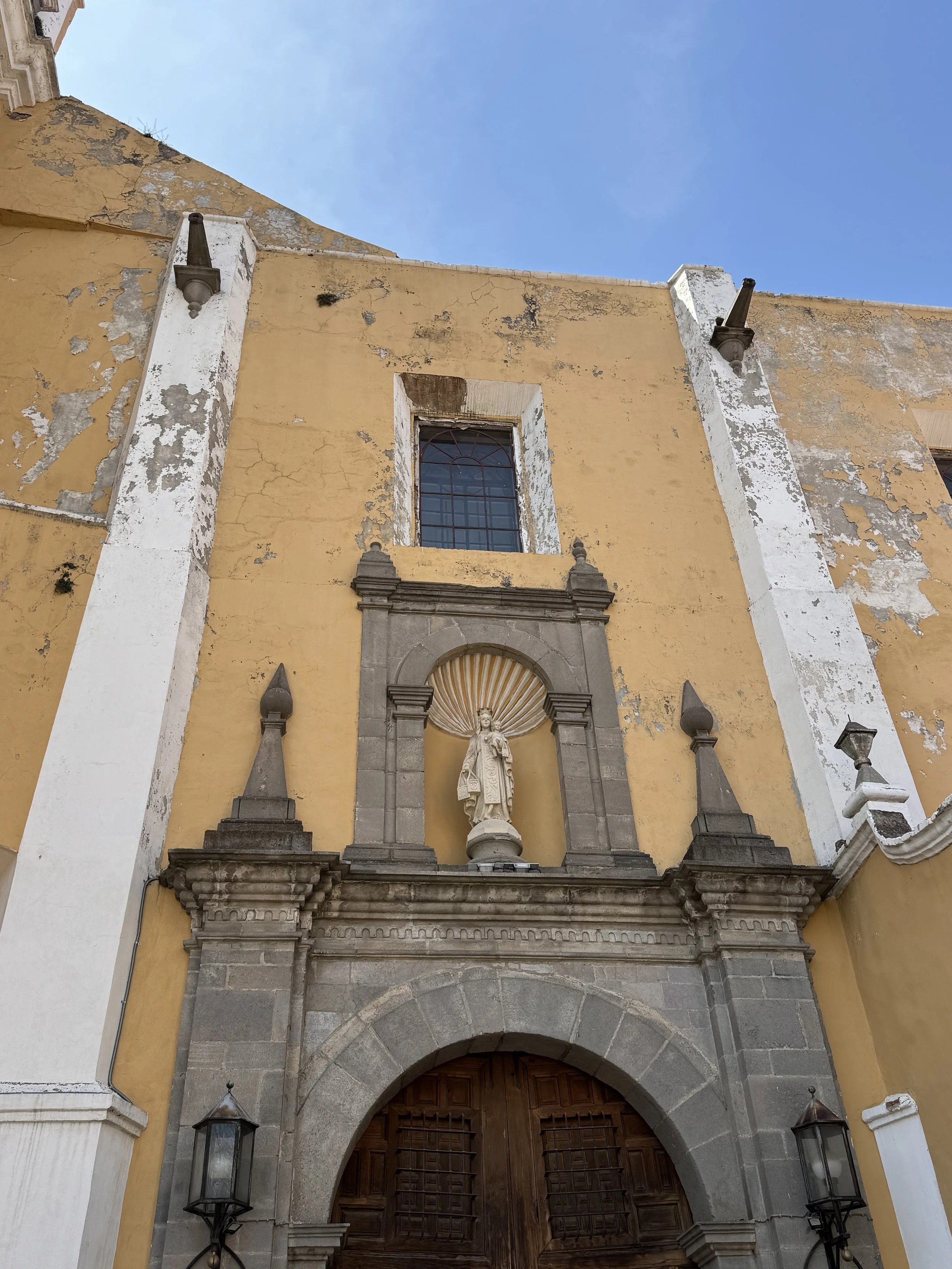
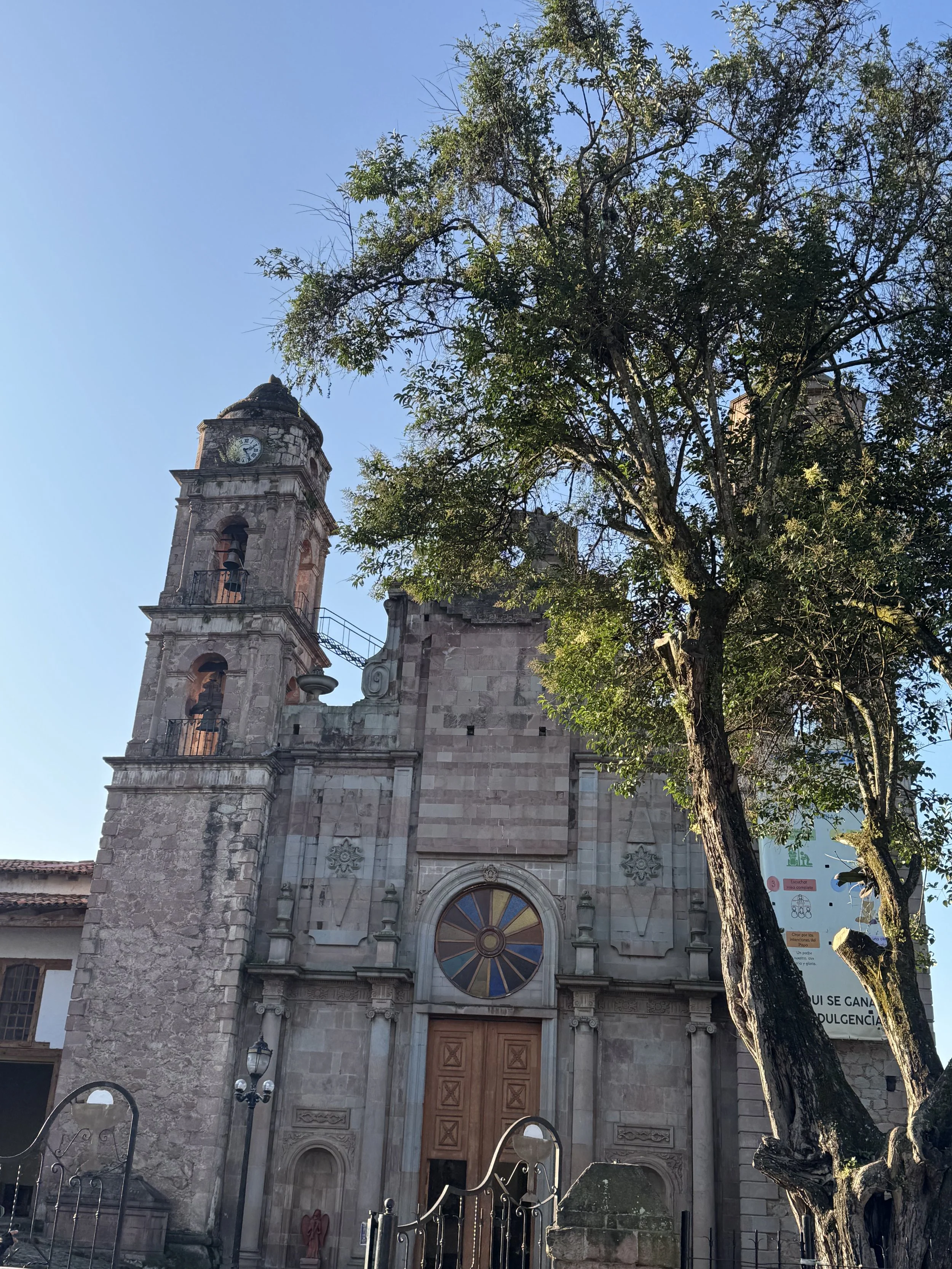
While visiting the cathedral in my hometown, next to the image of Guadalupe, there was a scale model illustrating the stages of pregnancy. It invited us women to see ourselves as protectors of children, as sacred vessels of life, and as carriers of something profoundly holy.

This brings me to a deeper reflection: being pro-life must also mean educating women—about the quality of the men they choose, about the men they help raise into fathers, partners, and lovers. It means understanding our fertility, our power, and the sacredness of life itself. A single moment can create life, and that life is holy.

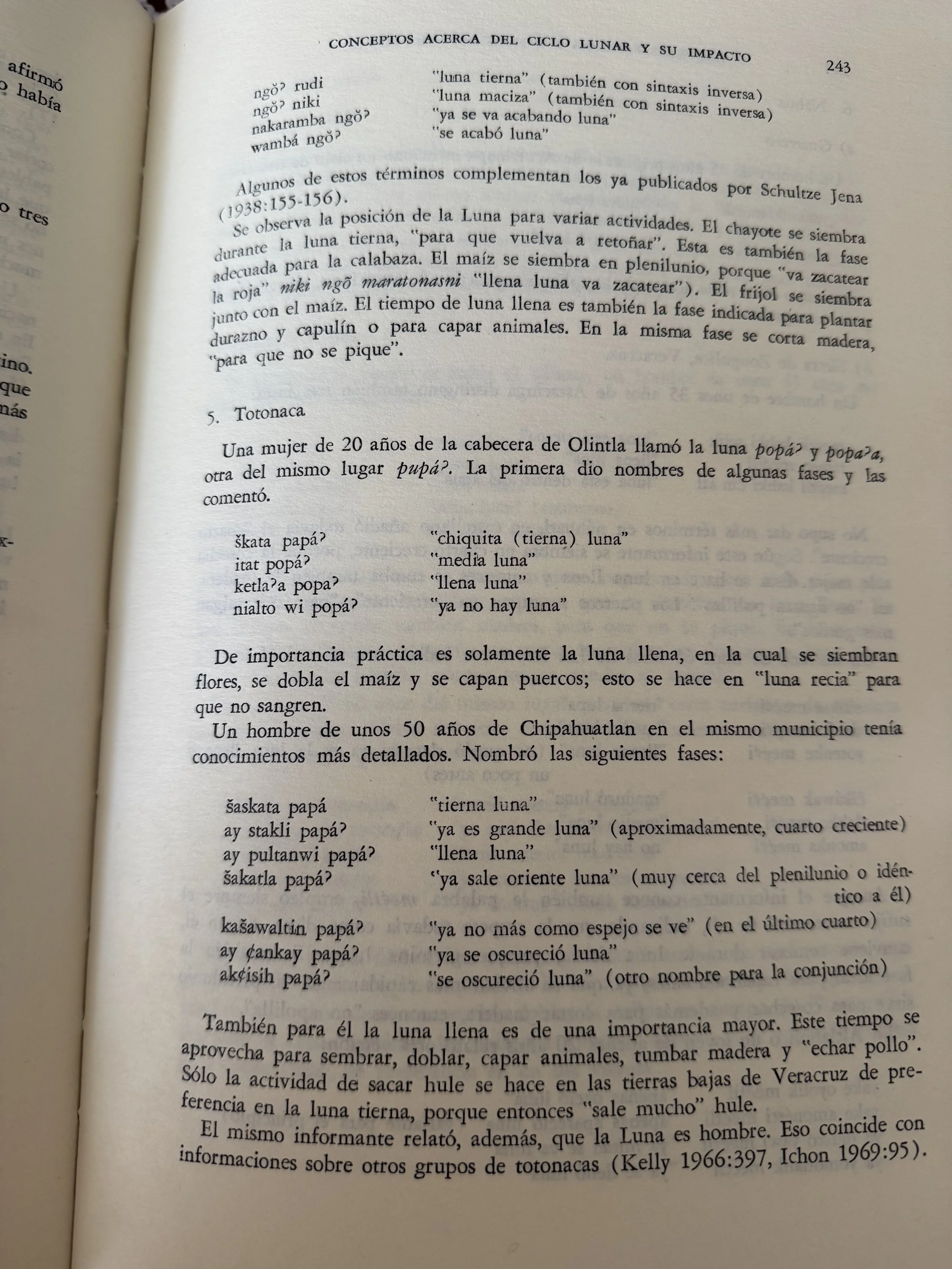
Motherhood is a gift—but not all women are meant to be mothers, and the freedom to choose that path is essential. Choice, however, requires education, responsibility, and embodiment. Even with contraception, life sometimes finds a way. Learning to track fertility through temperature, lunar cycles, and deep bodily awareness is among the most empowering knowledge we can reclaim. We would be an entirely different culture if women were taught to create life from a place of reverence, sovereignty, and attunement to their bodies.

I do not advocate for dogma or rigidity—the kind that breeds violence rather than compassion—but I deeply believe in faith that is alive, embodied, and transformative. The kind of spirituality that genuinely makes the world a better place.

I am also not claiming that Judeo-Christianity is the only portal to the Divine. But this path, in its depth and symbolism, is singular and profound.

At twenty-eight years old, my return to the house of God—my return home—is helping me understand that many of the things our parents and societies try to teach us are often delivered in a shallow or incomplete way. Religion and ethics, meant to form the core of our moral compass, can feel empty when taught without depth or lived experience. They do not land. They do not touch the soul.

We must come to them on our own terms, through our own lived encounters.

And this is why the presence of true teachers, guides, and gifted souls can alter the entire course of our lives.

With love,
Maria

Next
Next

Seeds of grace